



 Search















Public
How does luck influence your success in casinos?
The Role of Luck in Gambling
Luck is often regarded as a foundational element in the gambling experience, especially in casinos. This concept transcends mere chance and plays a pivotal role in the outcome of games. Whether players are spinning the reels on a slot machine or rolling dice at a craps table, luck can significantly determine the results. Many gambling enthusiasts believe that luck can be a decisive factor that influences both winning and losing streaks, creating a compelling narrative around their experiences with online casino uk fast withdrawal options. The belief in luck often adds an additional layer of excitement to the gameplay, transforming what could be a mundane mathematical probability into an exhilarating quest for fortune.
Moreover, the idea of luck extends beyond the random outcomes of games; it encompasses the entire atmosphere within casinos. Some players swear by rituals or lucky charms, claiming that these practices help them align with fortune. Engaging in these activities can foster a sense of control in an environment predominantly ruled by chance. This connection between ritualistic behavior and perceived luck can be powerful, as it allows players to feel more engaged and invested in their gaming experience. However, this belief in luck can also lead to superstitions that may affect decision-making, exemplifying how powerful the perception of luck can be in a casino setting.
Ultimately, while luck is an unquantifiable element of success, it can foster an emotional connection for players. This connection often drives individuals to return to casinos, as they hope to recapture past moments of serendipity. It is this interesting interplay between luck, belief, and emotional investment that defines the gambling experience and keeps players coming back in search of their next big win. The thrill of hitting a jackpot or winning a significant hand is often attributed to luck, reinforcing the notion that fortune favors the bold in the vibrant world of casinos.
Luck vs. Skill: Finding the Balance
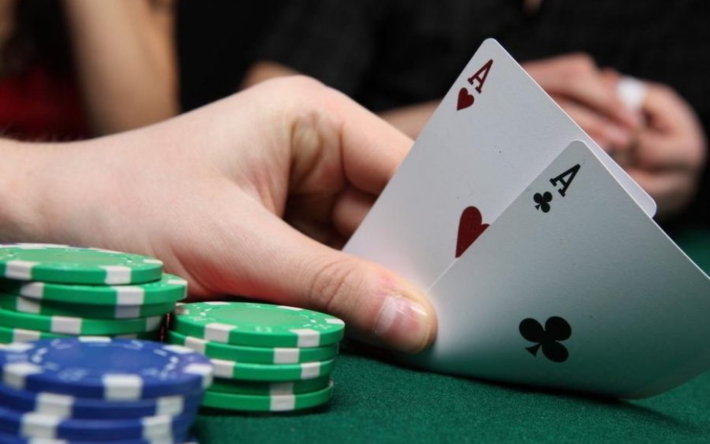
In various casino games, the interplay between luck and skill is particularly notable. Games like poker require significant strategic thinking and skillful play, yet luck remains a constant factor that can sway outcomes. An exceptional player may dominate the competition, but a few unfortunate hands can derail even the most strategic of plans. Thus, while skill can certainly increase a player’s chances of success, it cannot eliminate the role of luck in the equation. This dynamic creates a fascinating environment where both elements must be considered in a player’s approach to gambling.
Conversely, games such as slots and roulette are primarily dictated by chance, leaving little to no room for skill. Players may strategically choose their bets or select specific machines, but ultimately, the outcomes are based on random number generators or spinning wheels. This stark contrast raises the question of how much of a difference skill truly makes in a gambling environment where luck might be the predominant force. In such games, the element of luck is amplified, often leading players to focus solely on chance rather than strategy.

Increased success in skill-based games often hinges on the ability to read opponents and make calculated decisions. However, when a bad hand or a series of unfortunate rolls occur, even the most talented individuals must contend with the whims of luck. Finding the right balance between luck and skill can be the key to long-term success in casinos, reminding players that while they can strategize, luck will always play its part. This delicate equilibrium highlights the importance of adapting one’s strategy based on the game type, where players must be aware of how much luck influences their chances of winning.
The Psychological Impact of Luck
The psychological aspect of luck in casinos cannot be overlooked. Players often exhibit a phenomenon known as “gamblers’ fallacy,” where individuals believe that past events can influence future outcomes. For instance, a player may think that if a certain number has not appeared on the roulette wheel for several spins, it is “due” to hit, leading them to bet on it. This mindset highlights how belief in luck can steer behavior and decision-making, often with negative consequences. The cognitive biases that emerge from such beliefs can significantly impact a player’s strategy and overall experience.
Additionally, the experience of winning can create a psychological bias known as the “winner’s effect,” where players become overly confident and make riskier bets. In this scenario, luck can lead to a string of successful outcomes, but it can also foster a false sense of security. As players chase their good fortune, they may forget the unpredictable nature of gambling, increasing the likelihood of significant losses. This psychological interplay can lead to cycles of winning and losing, further complicating the role of luck. Understanding these psychological effects is crucial for players aiming to maintain a balanced approach to their gambling habits.
Ultimately, understanding the psychological impact of luck can enhance a player’s approach to gambling. Acknowledging that luck is unpredictable allows players to temper their expectations and enjoy the experience without becoming overly attached to the outcome. By maintaining a healthy perspective on luck, individuals can navigate the casino landscape with greater awareness and potentially mitigate the emotional rollercoaster that often accompanies gambling. Recognizing the mental facets of luck not only enriches the gambling experience but also fosters responsible gaming practices.
Cultural Perceptions of Luck in Gambling
Cultural viewpoints on luck significantly influence how people engage with gambling. In some cultures, luck is seen as a divine favor, while in others, it is viewed as a result of personal effort and intention. For instance, in many Eastern cultures, luck is intertwined with spirituality, involving rituals and practices designed to invite favorable outcomes. This belief system creates a rich tapestry of gambling behaviors, influencing how people interact with games of chance. The cultural context adds depth to the understanding of luck, transforming it into a multifaceted concept that varies across different societies.
In contrast, Western cultures may emphasize individualism and personal agency, leading to perceptions that skill can triumph over luck. This divergence can influence how individuals experience casinos, as players from different backgrounds approach games with varying mindsets and expectations. Understanding these cultural beliefs can provide insight into player behavior and the diverse strategies they employ when gambling. For example, a player from a culture that emphasizes luck may approach a game with a different set of expectations compared to someone who believes strongly in skill and strategy.
The significance of cultural interpretations of luck extends beyond individual players. It can affect the hospitality and design of casinos, leading establishments to create environments that resonate with their target audience. For instance, casinos may choose decor or themes that reflect local beliefs about luck, enhancing the overall player experience. By acknowledging and embracing cultural perceptions of luck, casinos can foster a more inclusive and engaging atmosphere for all visitors. This cultural sensitivity not only improves player satisfaction but also enriches the gaming experience on a broader scale.
Your Casino Experience: Embracing Luck Responsibly
As players navigate the casino landscape, embracing luck responsibly is crucial for a positive experience. Understanding that luck can be unpredictable empowers individuals to enjoy the thrill of gambling without overextending themselves financially. Establishing limits and practicing self-awareness can help players remain grounded, even when the allure of a winning streak is enticing. This responsible approach can lead to a more enjoyable experience, where the thrill of the game is prioritized over the pressure to win.
Moreover, setting aside time for the gaming experience can transform the focus from solely winning to enjoying the social and entertainment aspects of casinos. Cultivating a balanced approach allows players to celebrate moments of luck without becoming overly attached to outcomes. This mindset fosters a healthier relationship with gambling, encouraging individuals to appreciate the journey rather than obsess over the destination. By viewing gambling as a form of entertainment rather than a means to achieve financial gain, players can significantly enhance their overall experience.
Ultimately, the casino experience is not solely defined by luck but by the memories created and the connections formed. By understanding and embracing the role of luck in their gambling endeavors, individuals can cultivate a more enriching experience, ensuring that they walk away with lasting memories rather than just a financial tally. Responsible gambling practices centered around a balanced view of luck can enhance enjoyment and safeguard against potential pitfalls. Acknowledging luck’s role while maintaining personal limits is essential for enjoying the vibrant and unpredictable world of casinos.
