



 Search















Bookkeeping
Learn Financial Planning and Analysis FP&A

A good FP&A system offers accurate data collection, QuickBooks ProAdvisor budgeting, and forecasting, real-time tracking of metrics, risk modeling, and a range of other analytical tools. AI and automation help streamline financial planning by reducing manual data entry, improving forecasting accuracy, and enabling real-time analysis. AI-powered tools can identify patterns in financial data, allowing for faster and more informed decision-making. FP&A creates intricate financial models to test out different scenarios, seeing how strategic choices, market changes, or external factors could affect the organization’s financial performance. Sensitivity analysis is done to see how tweaks in key assumptions impact financial outcomes, giving insights into the risk levels of different situations. On top of that, FP&A looks into the financial feasibility of investment opportunities like mergers, acquisitions, projects, and new products using strong financial models.
Microsoft Excel
That person’s understanding of the unique aspects of the business and historical knowledge should give them a head start in their new role. Most FP&A leaders have this certification, and if an external hire makes more sense, look for someone who has this credential. FP&A is typically a role an organisation adds personnel to as it becomes more complex with multiple locations, subsidiaries, departments or international operations. That explains why some companies are just beginning to build up FP&A resources and headcount, while others have high-performing teams that regularly feed strategic reports to the C-suite.
- • Collecting data and preparing internal reports, financial models, and detailed forecasts for executives to support their decision-making.
- FP&A monitors working capital components—accounts receivable, inventory, and accounts payable—to optimize the cash conversion cycle.
- The future of FP&A leverages more data to make more informed decisions, while removing the mundane tasks that prevent you from focusing on more value-added efforts.
- If looking for external opportunities, the most obvious are other finance departments such as treasury, corporate development, or accounting.
- Regarding compensation, FP&A pays relatively better than most jobs, with entry-level roles paying up to $90,540 yearly.
- Change management matters too—new systems or processes succeed only with transparency and training.
Budgeting & Forecasting

Here, FP&A acts as advisers to the C-suite, imparting analysis that drives critical business decisions. The best CEOs rely on their financial business and operational capabilities. Their ability to synthesise financial and operational data, anticipate challenges, and offer actionable strategies makes them indispensable to corporate leadership. It evolved because businesses needed a forward-looking, analytical function that traditional accounting couldn’t provide. In this post, we’ll explore how FP&A emerged as a distinct discipline, what FP&A teams do, the challenges they face, and how they’re meeting those challenges with best practices and new tools.
- Here, the maximum number of employees can be found in the R&D division, which is around 44% of the company’s workforce.
- Sometimes this is as simple as setting up a dashboard to get a bird’s eye view of business trends.
- The entire process must conform to local accounting standards and the company’s internal controls.
- FP&A weaves together financial and operational goals to set the stage for synchronized efforts across departments.
- The term encompasses both the process and the department responsible for these activities.
- This means FP&A professionals are left with limited time to be the strategic partners the CFO and the rest of the business needs them to be.
Financial Management
FP&A empowers you to use what-if scenarios to understand the impact of different business decisions. These challenges can prevent FP&A professionals from focusing on their most valuable work – analysis and strategy. Instead of spending time as strategic advisors, they risk becoming data hunters and spreadsheet caretakers. The good news is that forward-thinking teams are finding ways to overcome these obstacles.
Understand Your Clients and Grow Your Business!
- Epicor FP&A offers canned financial statements and budget sheets, or you can create custom reports from scratch quickly and easily.
- This accessibility boosts collaboration and accountability, making it easier to get meaningful input and facilitating company-wide and departmental planning.
- FP&A teams leverage advanced tools and technologies such as data analytics platforms and financial planning software, which offer real-time updates and facilitate automated reporting.
- Since finance is the backbone of a business, financial planning and analysis (FP&A) teams need to develop a holistic understanding of each business function.
- Management reporting involves conducting a variance analysis to understand which P&L, CF lines, or leading operational KPIs landed in line with the target and which ones did not.
Through detailed data analysis and scenario forecasting, organizations build what is fp&a resilience, positioning themselves well for sustained success in an ever-changing world. As much as planning is crucial, aligning these plans with performance management is equally important. This is where FP&A acts as a bridge, connecting financial objectives with operational tactics.

Steps in the FP&A Process
For businesses with complex structures, managing finances across different entities, locations, or subsidiaries presents a major FP&A challenge. ‘ Provide context and actionable recommendations based on your analysis to truly guide decision-making. We host both in-person and virtual FP&A Summits for finance professionals looking to stay ahead of the curve and take their skills to the next level. No, a CFA (Chartered Financial Analyst) designation is not typically required for FP&A roles.
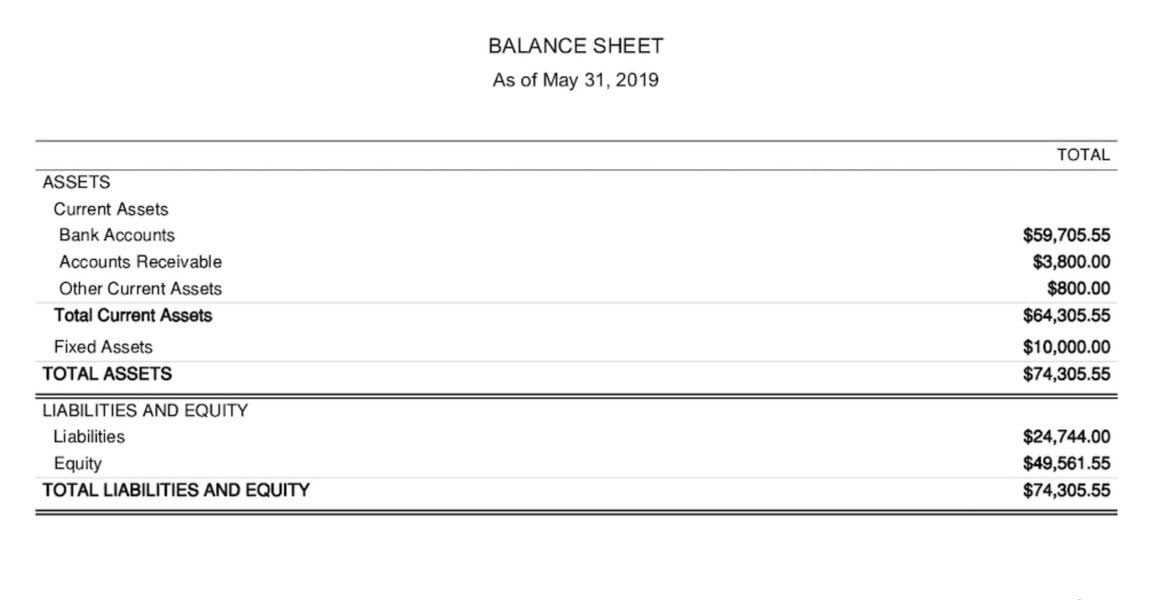
Drag-and-drop interfaces make it easy to create charts, tables, and visuals without coding. Collaboration features let department leaders contribute their plans while finance maintains control and consolidation. Platforms such as Adaptive Insights, Anaplan, and Planful offer different levels of complexity and customization to fit organizational needs. Tracking debt levels and debt-to-equity ratios ensures appropriate leverage. Changes in retained earnings connect income statement results back to the company’s financial position. The FP&A function encompasses several interconnected disciplines that drive financial decision-making across the organization.
Business value of FP&A software—agility is the key
At the bottom of the pyramid are activities that are integral to any finance function. These activities include things like invoicing, payments, bookkeeping, and accounting. These activities are predominantly backward-looking (the outcome of bookkeeping and accounting activities is a reflection of the past). As we move up the pyramid, Finance activities become more strategic and forward-looking. We will also explore how FP&A fits into the larger Finance function and why it is so important. By the end of this post, you will have a better understanding of FP&A and why it is such an essential part of any successful business.
It involves forecasting future financial performance and identifying potential risks and opportunities to ensure the company’s long-term success. An essential aspect of FP&A is the ongoing analysis of the company’s financial performance against organizational plans and forecasts. Through identifying discrepancies between actual results and budgeted or forecasted figures, variance analysis offers insights into why these discrepancies occurred. This continuous evaluation process helps companies refine financial strategies, optimize performance and achieve strategic https://www.bookstime.com/ goals more effectively. Predictive modeling involves using historical data to identify trends and make informed predictions about future financial performance.
